📌 Cryptocurrencies Bitcoin and XRP decline after failed U.S.-Iran talks in Pakistan – TheStreet Crypto: Latest Bitcoin and cryptoasset data, tips, case studies and more
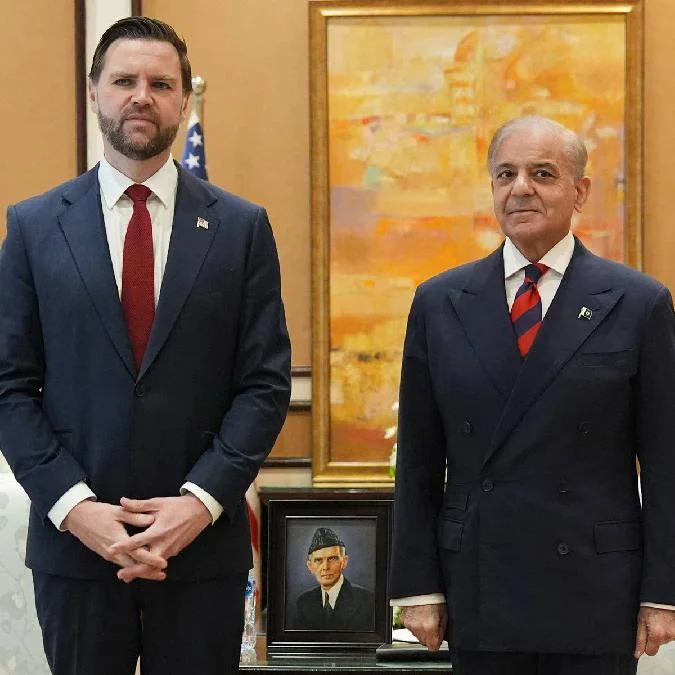
– The geopolitical situation in the Middle East is once again in the focus of global trading floors, as the fragile truce between the United States and Iran hangs in the balance.
The situation, which escalated on February 27 after the US and Israel launched Operation Epic Fury strikes on Iranian military and nuclear facilities with the elimination of Supreme Leader Ali Khamenei, has since destabilized global energy supplies and increased macroeconomic unpredictability.
In recent days, the focus has shifted to the realm of diplomacy, with high-level consultations taking place in Pakistan seen as a possible turning point in a conflict that has already had a profound impact on financial markets and high-risk assets around the world.
Discussions between U.S. and Iranian officials began April 11 in Islamabad, marking the first direct high-level contact between the two sides in decades.
The consultations followed a period of rising tensions that included attacks on Iranian targets, retaliation across the region and the closure of shipping lanes near the Strait of Hormuz, a vital artery for the world’s oil supplies.
Pakistan has taken a key role as mediator, hosting both delegations and trying to bring the two sides together after previous cease-fire attempts only temporarily eased the fighting.
Before the talks began, the mood was cautiously optimistic.
Iran reportedly demanded the lifting of sanctions, access to frozen funds and security guarantees, while the U.S. insisted on strict limits on Iran’s nuclear aspirations and control over major sea lanes.
Popular on TheStreet Roundtable: The Islamabad dialogue was seen by many as a necessary step toward a more comprehensive settlement that could bring stability to both the region and global markets.
Efforts to achieve a diplomatic breakthrough intensified April 12, when delegations from Washington and Tehran held lengthy talks in Pakistan aimed at ending the current confrontation.
Iran’s Foreign Ministry recorded early signs of engagement, but expressed concern that further success would depend on the United States’ willingness to concede.
In a statement issued by Iranian Foreign Ministry spokesman Esmaeil Baqai, Iranian officials described the talks as tense.
Bakaei emphasized that the outcome of the talks will be determined by the other side’s seriousness and honesty, and called on Washington to refrain from excessive claims and unreasonable demands and to respect Iran’s legitimate rights and interests.







 Bitcoin
  Ethereum
  Tether
  BNB
BNB  USDC
USDC