📌 Morocco’s six million crypto users are forcing the government to reconsider a futile ban.
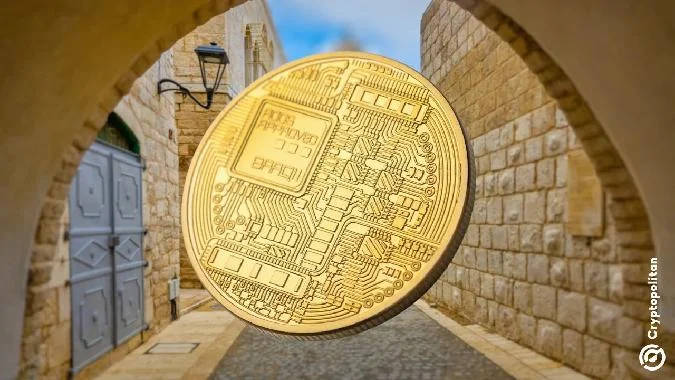
– The spread of cryptocurrencies in Morocco is gaining momentum despite a total ban.
In five years, the number of users has nearly doubled to six million digital asset owners.
This trend is pushing Rabat authorities to replace the ban with a regulatory approach.
The use of cryptocurrencies in Morocco has reached 16% of Morocco’s population, despite a decade-long moratorium on digital money transactions and a recent tightening of oversight.
The increasing popularity of these coins among Moroccans seems to have finally convinced their government to prepare to abandon total restrictions in favor of streamlining.
Cryptocurrencies have been formally banned in Morocco since late 2017, with regulators constantly reminding citizens of the punishability of any actions with digital assets.
At the time, the decision was motivated by non-compliance with existing regulations and lack of consumer protection, as well as threats of money laundering and capital flight, which jeopardized the financial stability of the state.
Since the end of last year, exhortations from the Bank of Al-Maghrib, the Monetary Authority and the Moroccan Capital Market Authority have been accompanied by increased financial monitoring.
Moroccan supervisory authorities are now tightening control over crypto transactions, which are widely practiced, albeit under a ban, as local publications Challenge and Le360 reported this week.
This information came to light in a letter sent by the Office des Changes, the agency that oversees currency transactions and financial movements between Morocco and other territories.
In the letter, addressed to a number of individuals, the supervisory body reports the discovery of violations related to the storage of funds abroad in the form of cryptocurrencies and transfers in favor of Moroccan citizens.
Recipients were given a month to provide clarifications and confirmations. They were also notified that transactions involving digital assets required declaration and coordination with exchange control regulations.
This move by the administration may indicate that the Arab state will now opt for traceability, as it has failed to stop digital money.
The main goal has always been to tightly control the money flows that form the backbone of Morocco’s economy, as French crypto media outlet Journal du Coin notes in its review. However, the decentralized nature of cryptocurrencies makes this task more difficult, and an outright ban has created a legal gap in which cryptocurrencies continue to be used outside the official realm.
Between 2019 and early 2025, the number of crypto asset holders in Morocco nearly doubled from 3.65 million to over 6 million.
About 16% of the North African nation’s population now uses digital currencies like Bitcoin and related technologies.
A significant rise in recent years has put the country in the top 25 countries for cryptocurrency use in the world, according to Chainalysis.
Remittances from the country’s large diaspora have played an important role. As well as the need for alternative cross-border payment methods and financial services in the largely informal economy.
The discrepancy between law and practice, as well as the lack of regulations reflecting the current situation, has exacerbated the risks of, for example, fraud, further supporting the adoption of adequate regulation.
In the current circumstances, the authorities in Rabat are changing the policy vector at the initiative of their financial regulator. Commenting on this situation, Challenge.ma stated:
In the face of this reality, Morocco is no longer limited to simply banning cryptoassets. It is now preparing to regulate them.






 Bitcoin
  Ethereum
  Tether
  BNB
BNB