📌 Trump is seeking to capitalize on the AI boom, but no one can agree on exactly how to do that
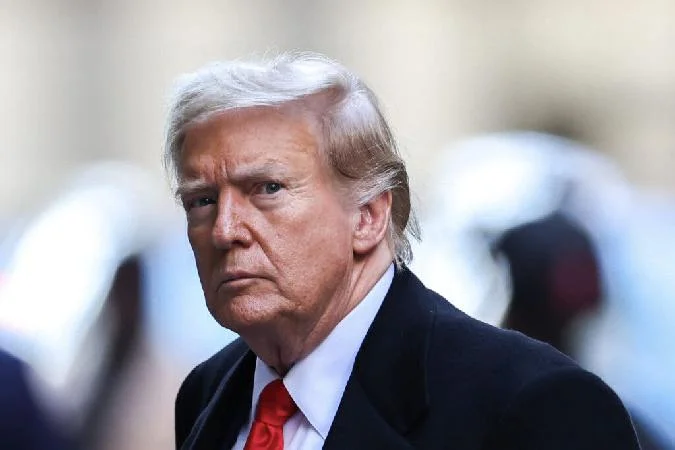
– Trump supports the idea of the U.S. buying stakes in major AI companies, calling it a sovereign wealth fund concept.
Musk, on the other hand, wants direct cash payments from the treasury, while Cuban notes that this plan is not a plan.
Sanders has introduced a bill to impose a 50% tax on AI companies based on the value of their shares, with the proceeds going to a $7 trillion government fund.
Vice President J.D. Vance stated that Trump aims for the U.S. government to hold stakes in successful American AI giants. He supports this idea as a sovereign wealth fund concept, which makes him a rather unconventional figure.
Vance revealed Trumps plan on Thursday on the podcast The Diary Of A CEO. He added that this is a rather unusual position for a Republican White House administration.
The president supports the idea of the United States owning these major AI companies, Vance said. He noted that Trump likes this idea as a sort of sovereign wealth fund and called him a very unconventional figure for a Republican with such views.
Vance also expressed doubt that taxes alone would be able to distribute the future wealth generated by AI among workers, even if these companies accumulate trillions of dollars over the next ten or twenty years.
Im very skeptical about that, he said. He called pure redistribution a very modern liberal concept that could turn the poor into subordinates of the rich. He suggested that labor unions might be a more suitable model. Workers need to be given a seat at the negotiating table, he added.
In a post on Saturday, he wrote that it would be better to just send money directly to people from the treasury.
Regarding concerns about inflation, Musk stated that as long as the rise in prices for goods and services outpaces the growth of the money supplywhich he expects from AI and robotsthere will be no inflation. The newly minted trillionaire went even further: In fact, I predict that well have to fight deflation desperately!
On Saturday, Mark Cuban also weighed in, commenting on the plan to transfer half of the shares of the largest AI companies to a state-run fund.
,detected_source_language:RU
He stated that this idea, in and of itself, ‘is not a plan.’ Cuban pointed out that these companies would still need to raise hundreds of billions in capital, which led him to question whether taxpayer-funded stakes would actually benefit taxpayers.
He expressed similar doubts regarding spending on data centers. He also asked who could be trusted to represent taxpayers interests in such deals. Certainly not politicians, he said.
This debate followed a bill introduced Thursday by Senator Bernie Sanders (I-Vermont) that would impose a 50% tax on large AI companies based on the value of their shares, with the proceeds going to a federal fund. According to Sanders projections, the fund would reach $7 trillion, and Americans would be able to receive about $1,000 per year from it.
His bill, The American Artificial Intelligence Sovereign Fund Act, would require leading AI companies to pay a one-time tax on their shares to cover the costs.
Behind the scenes, high-ranking officials in the Trump administration had already been discussing how to organize such investments even before the governments export control measures against Anthropic sent shockwaves through the industry. Sources familiar with the negotiations told Semafor that two cabinet members had differing views.
Treasury Secretary Scott Bessent wanted to use AI companies shares to replenish Trumps accounts. Commerce Secretary Howard Lutnick preferred to channel any shares into the sovereign wealth fund.
The negotiations are in the early stages; no decision has been made yet, and the meeting with industry executives that Trump promised to hold earlier this month never took place.
This idea continues to struggle to gain support outside of OpenAI, which first proposed it last year.
In the past week alone, executives at Microsoft and Meta have rejected the idea. Last week, Trump told reporters that he would bring together 12 to 15 top executives in the near future to discuss how the industry can give something back to society, but recent export control measures could make such a meeting a tense affair.
“,”detected_source_language”:”RU







 Bitcoin
  Ethereum
  Tether
  BNB
BNB  USDC
USDC  XRP
XRP  Solana
  TRON
TRON  Figure Heloc
  Hyperliquid