📌 What can stablecoin holders expect if the issuing company goes bankrupt?
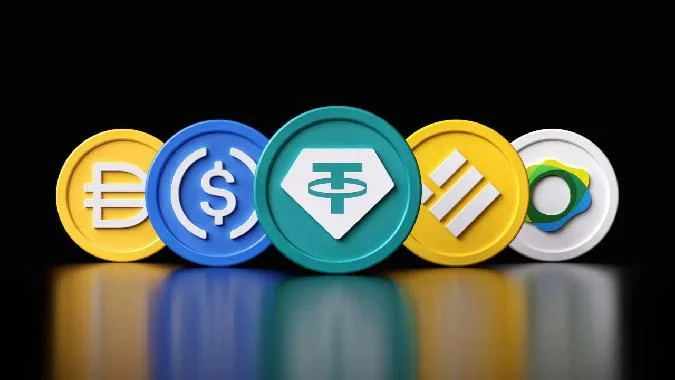
The fact that stablecoins are backed by reserves does not mean that you directly own them.
A direct redemption often requires the issuer to meet certain conditions.
Users of a trading platform can file claims against the exchange itself.
A loss of peg often precedes the issuers bankruptcy.
MiCA establishes clearly defined requirements for issuers that apply to holders in the European Union.
The phrase a stablecoin has gone bankrupt can refer to several different situations. The issuer may become insolvent. A bank or custodian holding part of the reserves may experience financial difficulties. The exchange where the holder stores the token may suspend withdrawals. Alternatively, the token may be trading below the value of its underlying currency, even if direct redemption from the issuer is still available to eligible customers.
The path to recovering funds depends on which link in the chain has failed: the issuer, the exchange, the reserve custodian, or the market value.
The issuer cannot continue its operations: which company issued the token and how the storage of its reserves is legally structured. A direct redemption request, if such a right exists, or through the issuers bankruptcy and rehabilitation proceedings.
The stablecoin has fallen below the $1 mark. Is it still possible to redeem directly from the issuer, and does the holder meet the established requirements? Either direct redemption, if possible, or sale on the open market at the current exchange rate.
The exchange has blocked withdrawals. Is the balance managed by this platform? The procedure for withdrawing funds from the platform or filing a claim as part of its bankruptcy proceedings.
The address has been restricted. Why did the stablecoin operator block this address, and what verification procedure is used in this case? The compliance process and legal proceedings are not the same as a standard buyout.
When a company states that its stablecoin is backed on a one-to-one basis, it is referring to an economic relationship: the reserve assets are intended to cover the issued tokens. But this does not necessarily mean that each holder owns a specific share of any reserve asset or can choose which specific asset they will receive upon redemption.
In the event of the issuers insolvency, key documents determine whether a holder can demand redemption, receive protection under the law, or join the queue with other creditors in bankruptcy proceedings. These documents also establish whether the reserves are segregated from the companys other assets and whether other creditors can access them.
,detected_source_language:RU
The quality of reserves and ownership rights address different issues.
Cash, treasury securities, and money market assets may be highly liquid, but liquidity alone does not determine who will have priority in receiving payments in the event of a companys bankruptcy.
According to the Bank for International Settlements concept of stablecoins, reserves must be quickly convertible and held in structures not subject to the risk of bankruptcy. This is a useful starting point for evaluating the architecture of stablecoins, but it does not mean that all existing issuers use the same model.
A verified direct customer, a self-custodial holder, and an exchange user may all own the same token, but their practical ability to access dollars or euros can vary significantly.
Direct redemption typically involves returning tokens to the issuer and receiving the underlying currency at face value in accordance with the issuers terms. For example, Circles USDC terms link direct redemption on a one-to-one basis to having a registered account with Circle Mint and meeting additional requirements, including the absence of redemption restrictions imposed by regulators, courts, or law enforcement agencies.
A token holder who stores their tokens independently and does not have an account with the issuer can still sell the asset on a platform with sufficient liquidity, complete the registration process with the issuer (if permitted), or turn to a service provider. Such an intermediary may charge a fee, set its own limits, or suspend conversions during periods of market stress. Ownership of a token does not automatically grant the same operational access as that of a verified client of the issuer.
For those who hold stablecoins on an exchange, the first challenge may not be related to the issuer at all. The exchange manages the wallet and acts as the contractual counterparty. If the exchange stops processing withdrawals or becomes insolvent, the customer will likely have to first go through the exchanges internal procedures before they can gain control of the tokens or attempt a direct redemption.
“,”detected_source_language”:”RU






 Bitcoin
  Ethereum
  Tether
  BNB
BNB  XRP
XRP  USDC
USDC  Solana
  TRON
TRON  Zcash
Zcash  Figure Heloc